Ancient Wisdom · Modern Wellness
Rose Tea: The 2,000-Year-Old Chinese Beauty Secret
For centuries, Chinese women have sipped rose petal tea for glowing skin, deeper sleep, and inner calm. Science is finally catching up.
For centuries, Chinese women have sipped rose petal tea for glowing skin, deeper sleep, and inner calm. Science is finally catching up.
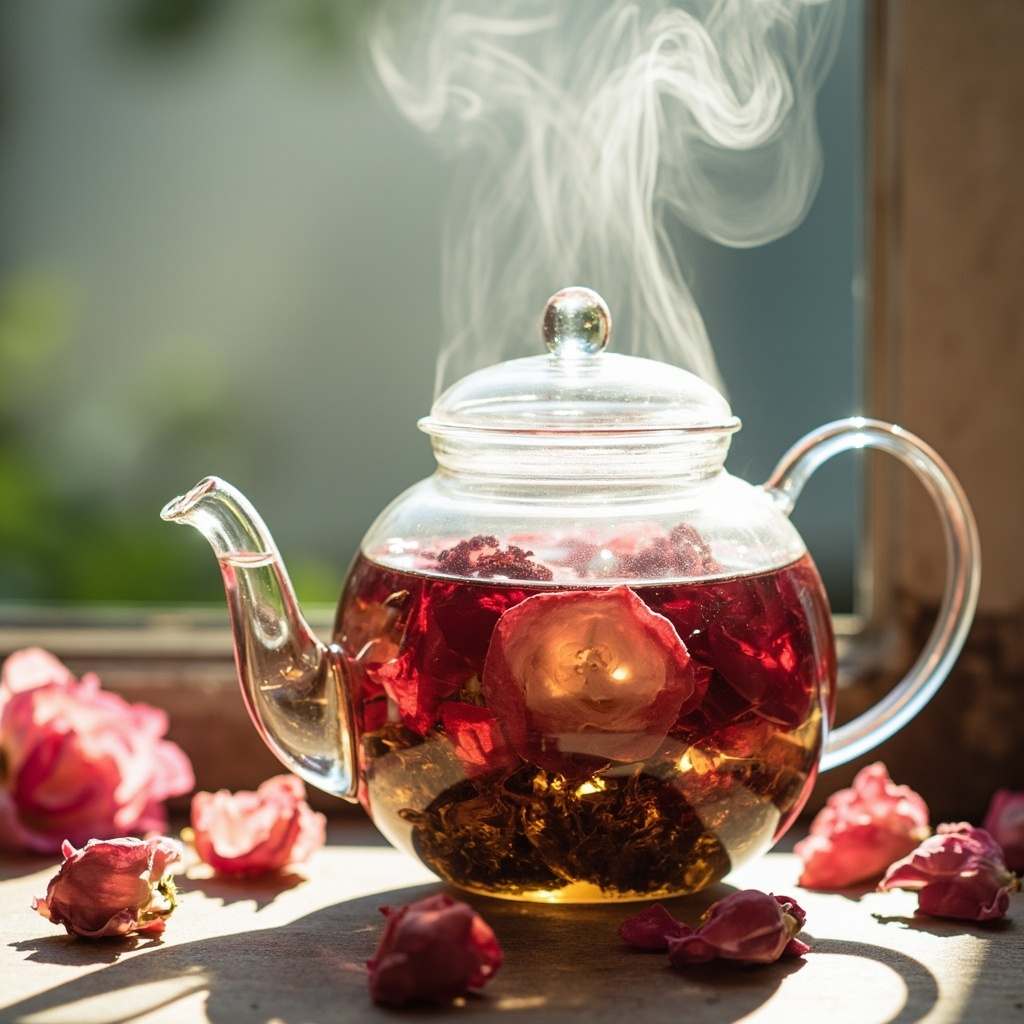
Imagine this: you're curled up on a quiet evening, a warm porcelain cup in your hands. Inside, delicate rose petals unfurl slowly in golden water, releasing a fragrance so gentle it makes your shoulders drop. No caffeine. No sugar. Just centuries of Eastern wisdom, distilled into a single sip.
This is rose tea (玫瑰花茶) — one of the most beloved wellness drinks in Traditional Chinese Medicine (TCM), and a daily ritual for millions of women across China. Long before "clean beauty" became a buzzword, Chinese empresses and poets were already brewing dried rosebuds for radiant skin, emotional balance, and longevity.
Today, modern science is validating what Chinese healers have known for over two millennia. From antioxidant-rich polyphenols to mood-calming aromatherapeutic compounds, rose tea may be the simplest, most elegant wellness habit you've never tried.
Here's everything you need to know — its history, its science-backed benefits, and how to start your own rose tea ritual tonight.
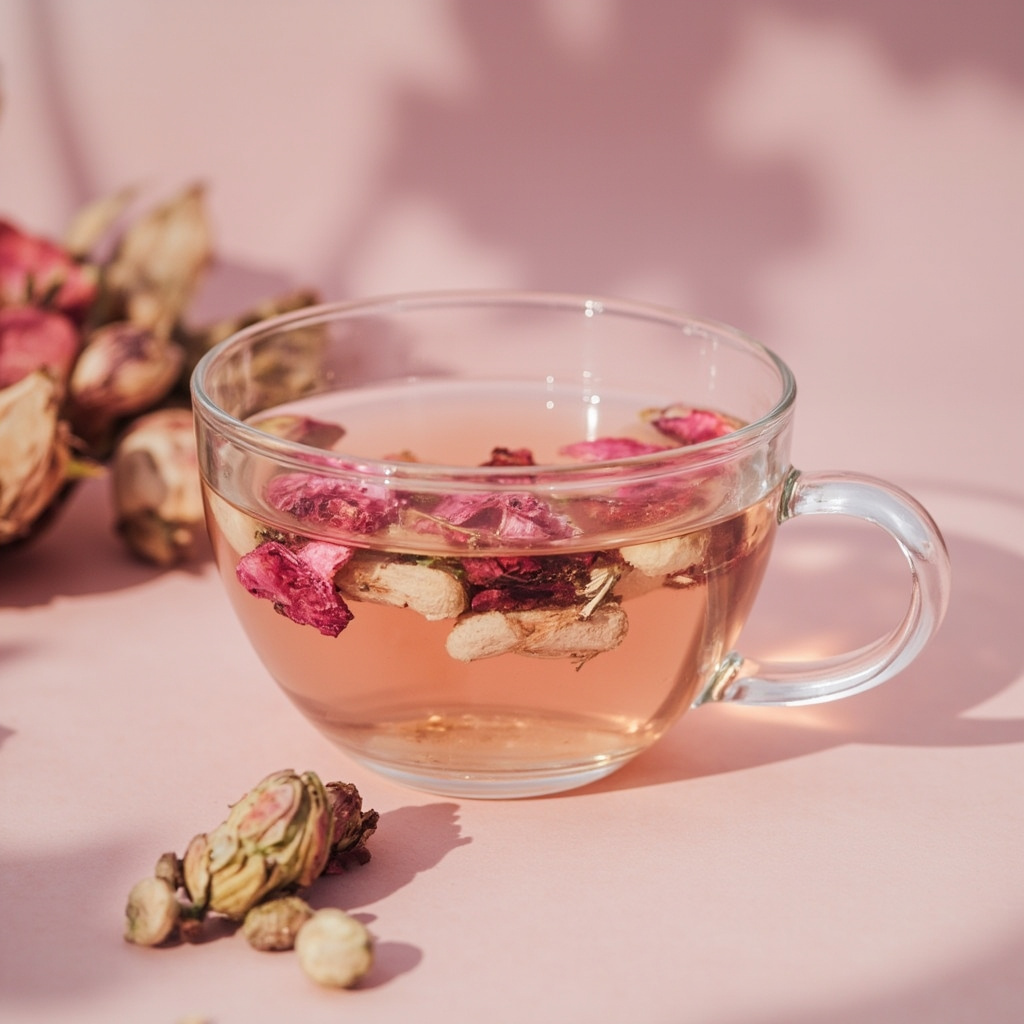
Rose tea's story begins in the Tang Dynasty (618–907 AD), when roses were first cultivated for both their beauty and their medicinal properties. The imperial court recorded rose petal preparations in pharmacopeia as remedies for "soothing the liver, moving blood, and lifting the spirit."
By the Song Dynasty (960–1279 AD), rose tea had become a staple in the gardens of literati and the chambers of noblewomen. The famed female poet Li Qingzhao wrote of floral infusions as a path to inner peace — a concept that resonates even more powerfully in today's overstimulated world.
In Traditional Chinese Medicine, rose (Mei Gui Hua) is classified as a "warm, sweet, and slightly bitter" herb that moves Qi (life energy) and gently invigorates blood circulation. Unlike aggressive detoxes or harsh supplements, rose tea works gently and gradually, which is exactly why it has been trusted for generations.
Modern research has confirmed several remarkable properties of Rosa chinensis (the Chinese rose). Here are the five most compelling reasons to add rose tea to your routine:
Rose petals are remarkably rich in vitamin C — among the highest of any flower — along with polyphenols and flavonoids that fight free radicals, reduce inflammation, and slow collagen breakdown. Regular consumption may help with acne, dullness, and early signs of aging.
Rose tea contains natural compounds like linalool and geraniol that calm the nervous system and lower cortisol levels. Drinking a cup 30 minutes before bed can help you fall asleep faster and wake feeling refreshed — without any grogginess.
In TCM theory, rose tea "soothes the liver and frees stagnated Qi" — which translates practically to easing anxiety, irritability, and the emotional heaviness many women experience during their menstrual cycle. The aroma alone has been shown to reduce perceived stress.
Lightly astringent and warming, rose tea supports healthy digestion and may help reduce bloating. Some studies suggest rose polyphenols can modulate gut microbiota, contributing to improved metabolic function over time.
One of the joys of rose tea is its simplicity. No special equipment needed — just good water and quality dried rosebuds.
Look for food-grade dried rosebuds (not potpourri!). Chinese dried roses should be deep pink to burgundy, intact, and fragrant. Avoid buds that look brown or smell musty.
Bring water to about 85–90°C (185–195°F). Boiling water will destroy the delicate vitamin C and aromatic oils. If you don't have a thermometer, let boiled water sit for 2 minutes.
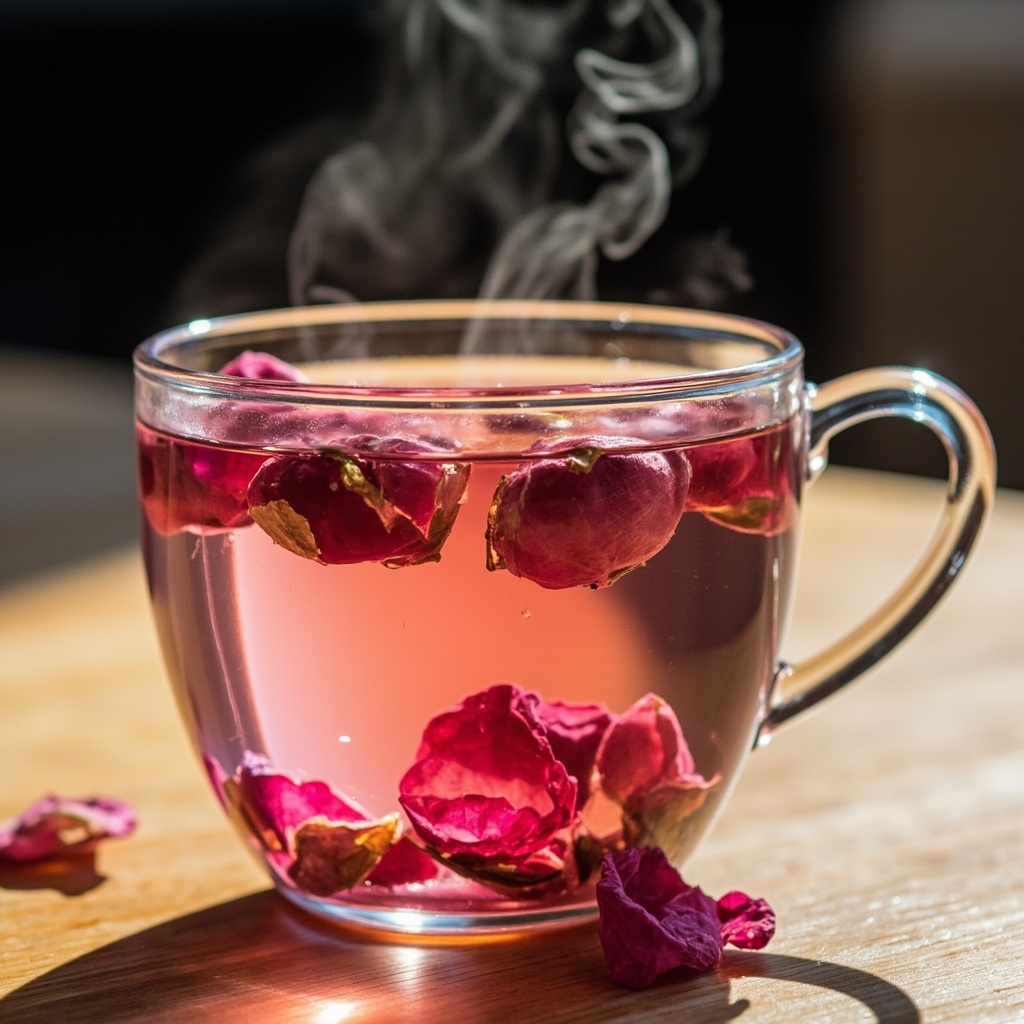
Place 5–8 dried rosebuds in your cup. Pour water gently. Watch as the petals slowly unfurl and color the water a soft pink. Steep for 5–7 minutes. This is your moment — put your phone down.
Add a drizzle of raw honey for sweetness, a few slices of lemon for extra vitamin C, or a handful of goji berries for an antioxidant boost. In Chinese wellness tradition, rose pairs beautifully with goji berry, red date, and longan.
Timing matters in Chinese wellness philosophy. Here's a simple guide:
Start your day with gentle energy. Rose tea is caffeine-free but the aromatic compounds can lift your mood and sharpen focus — a perfect alternative to coffee if you're caffeine-sensitive.
The optimal time. The calming linalool helps your nervous system transition to rest mode. Many Chinese women swear by "one cup before bed" for better skin the next morning.
In Chinese culture, rose isn't just something you drink — it's a holistic beauty and wellness ingredient. Here are four ways to incorporate it beyond the teacup:
Scatter a handful of dried rose petals into warm bathwater with Epsom salts. The steam carries the aromatic compounds to your skin and lungs — it's aromatherapy and skincare in one.
Brew a strong rose tea, let it cool, and use it as a facial toner. The natural astringent and vitamin C content can help tighten pores and brighten complexion.
Keep a small bowl of dried rosebuds on your desk. The subtle fragrance can reduce stress during work hours — research has shown that floral tea aromas can improve mental performance and create a calmer mindset.
Add dried rosebuds to a jar of raw honey and let it steep for 2 weeks. The resulting rose honey is exquisite on toast, in yogurt, or stirred into warm water.
What makes rose tea different from taking a supplement or drinking a green smoothie? It's the ritual.
In Chinese tea culture, the act of brewing is itself a form of meditation. You heat the water slowly. You watch the petals open. You wait. In a world that demands instant results, rose tea asks you to pause.
This philosophy — known as Chan Yi (禅意, "Zen-like quality") — is at the heart of Chinese wellness. It's the idea that true beauty and health come not from adding more to your routine, but from removing stress, noise, and hurry.
Rose tea is, in many ways, the most accessible entry point into this ancient philosophy. It costs almost nothing. It takes five minutes. And yet, millions of Chinese women swear by it as their most treasured self-care ritual.
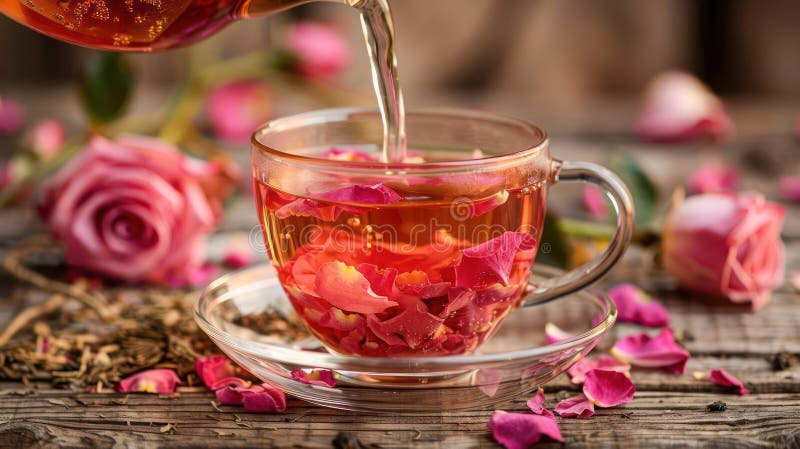
Start with 5–8 dried rosebuds, warm water (not boiling), and 5 minutes of quiet. That's it. No subscription. No complicated routine. Just an ancient secret, waiting in your kitchen.
Discover Our Rose Tea Collection →